Medical Sensor Technology: Custom Development Process
When a new custom sensor for your medical device is needed, chances are you needed it yesterday.
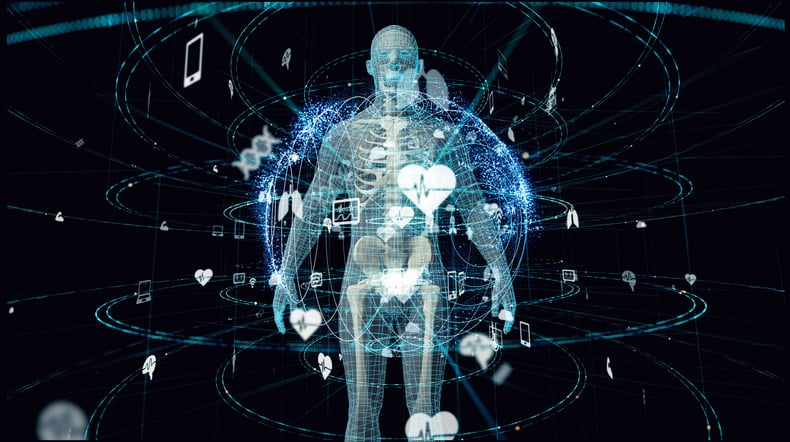
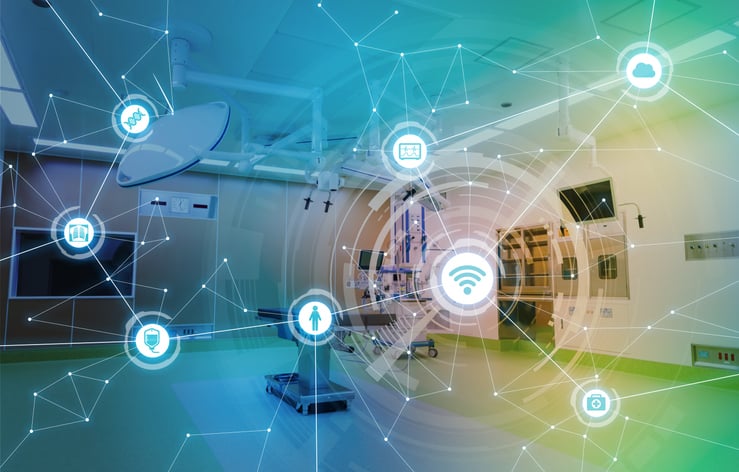
Advancements in medical technology continue to reshape how care is delivered, with connected devices playing a growing part in clinical decision-making. The application of sensors in healthcare has expanded what medical devices can measure, monitor, and report in real time.
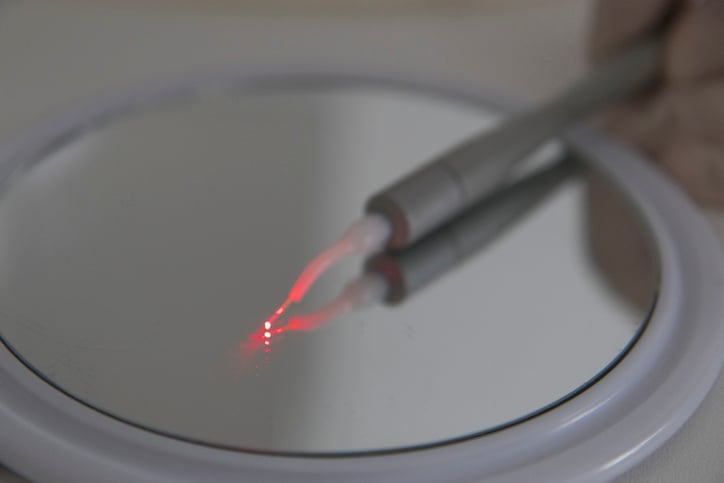
Despite how common they've become for patient treatment, the use of lasers as a surgical tool can still feel like something out of science fiction. Once considered futuristic, laser-assisted surgery is now a widely used approach for highly controlled procedures.
Maybe you’ve had a basic four-door sedan. It works well for everyday driving, no surprises there. But put it somewhere it wasn’t built to go – like a snowy back road or uneven trail – and it’s going to struggle.
A medical device is only as reliable as the sensors inside it. If performance is inconsistent, everything else falls apart.
Look at nearly any device on the market today, and chances are, it's smaller than it was a decade ago.
A reason for that – custom miniature sensors.
This shift toward smaller, more efficient technology isn’t just happening in consumer electronics – it’s transforming critical care devices as well.
The downsizing of medical technology is reshaping patient treatment. More streamlined and sophisticated, compact medical devices are giving healthcare professionals new ways to provide high-quality care.
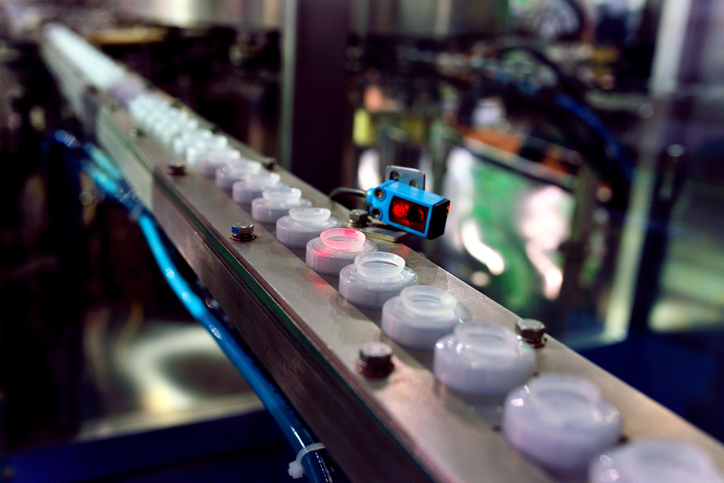
But these advancements wouldn’t be possible without custom miniature sensors – precision-engineered components designed to fit not just the device, but the demanding conditions of critical care settings.

After months of R&D, multiple prototypes, and a few discarded ideas, you've finalized the design for a patient care device and completed the medical instrument design. Now, there's just one more component to consider: the sensor technology for the medical equipment.
In medicine, there's a simple reality: No two patients are the same.
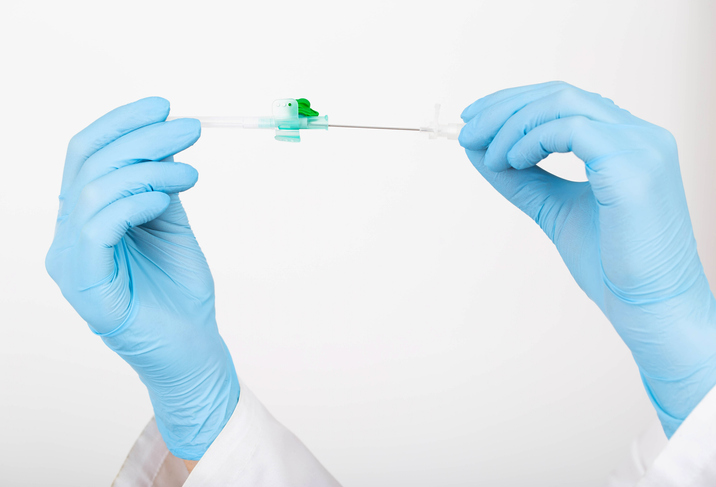
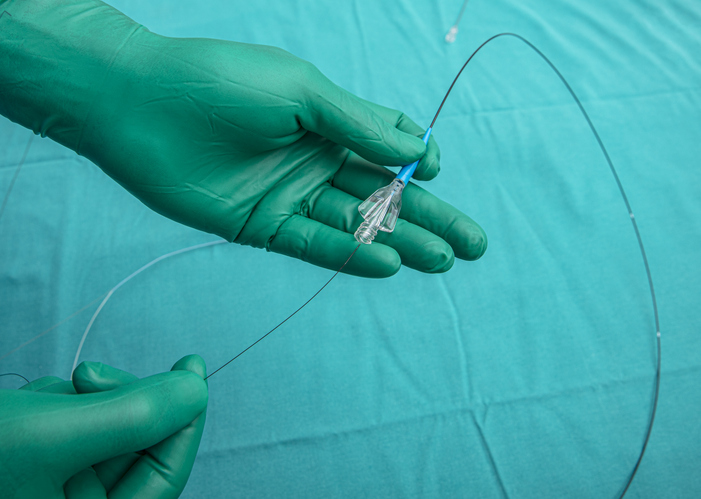
Catheters are indispensable tools in modern medicine, providing a means for diagnosis and treatment of a wide range of conditions.
Some devices in medicine have withstood the test of time, the stethoscope is a prime example. While the medical listening device has seen some nominal updates, the stethoscope remains relatively unchanged for 70+ years.